A refrigerator compressor is one of the most important parts of your fridge. It keeps cold air moving through the cooling system and helps maintain safe temperatures for your food.
When a compressor starts failing, the signs usually appear before it completely stops working. Catching those warning signs early can help homeowners avoid spoiled food, expensive emergency repairs, and the inconvenience of a refrigerator that suddenly quits.
If you live in Knoxville and your refrigerator is acting differently than usual, this guide will help you understand what compressor problems look like, what causes them, and when it’s time to call for professional refrigerator repair.
What Does a Refrigerator Compressor Do?
The compressor is often called the “heart” of the refrigerator.
Its job is to compress and circulate refrigerant through the cooling system. This process removes heat from inside the refrigerator and releases it outside the appliance.
Without a working compressor, your refrigerator cannot stay cold.
When the compressor begins to fail, cooling becomes inconsistent, energy usage increases, and food may spoil faster.
10 Signs Your Refrigerator Compressor Is Failing
1. Your Refrigerator Is Not Cooling Properly
One of the earliest warning signs is poor cooling performance.
You may notice:
- Milk spoiling faster than normal
- Drinks staying warm
- Food not feeling cold enough
- Temperature fluctuations throughout the day
A refrigerator should generally stay between 35°F and 38°F. According to the FDA’s food safety refrigerator temperature recommendations, refrigerators should be kept at or below 40°F to help prevent food spoilage and foodborne illness.
If temperatures keep rising despite adjusting the settings, the compressor may be struggling to maintain proper cooling.
2. The Freezer Works but the Refrigerator Is Warm
Many homeowners assume the entire fridge should stop cooling when the compressor fails.
That is not always true.
In some cases:
- The freezer remains cold
- The fresh food section becomes warm
- Cooling becomes uneven
This can happen when the compressor is losing efficiency and can no longer maintain proper pressure throughout the system.
3. The Compressor Runs Constantly
A healthy refrigerator cycles on and off throughout the day.
If you notice the refrigerator running all the time without reaching the correct temperature, the compressor may be working harder than normal.
Signs include:
- Constant humming
- Little or no shutdown periods
- Warm food despite continuous operation
Continuous running often leads to higher energy bills and faster wear on internal components.
4. Strange Clicking Sounds
A clicking sound every few minutes is a common warning sign.
The clicking often comes from the start relay attempting to turn on the compressor.
You might hear:
- Click
- Brief humming
- Another click
- Silence
Then the cycle repeats.
While the compressor could be failing, a bad start relay can create the same symptoms and is much cheaper to replace.
5. The Compressor Is Extremely Hot
The compressor normally feels warm during operation.
However, it should not be dangerously hot.
If you touch the back of the refrigerator and notice excessive heat, the compressor may be:
- Overworking
- Struggling to cool
- Experiencing internal failure
Dirty condenser coils can also contribute to overheating.
6. Food Spoils Faster Than Normal
A failing compressor often causes inconsistent temperatures.
You may notice:
- Meat spoiling early
- Dairy products going bad faster
- Vegetables freezing unexpectedly
- Condensation inside containers
Many homeowners first notice compressor problems through food spoilage rather than obvious mechanical symptoms.
7. Your Electric Bill Suddenly Increases
When a compressor becomes less efficient, it must work harder to maintain cooling.
This can cause:
- Longer run times
- Increased power consumption
- Higher monthly utility costs
If your electricity bill rises without another explanation, your refrigerator could be a contributing factor. The U.S. Department of Energy appliance efficiency guide notes that older or inefficient refrigerators can consume significantly more electricity than properly functioning units.
8. Frost or Ice Appears in Unusual Places
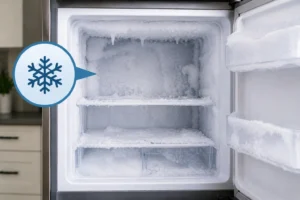
Excessive frost buildup can signal cooling system problems.
Watch for:
- Ice on freezer walls
- Frost on food packages
- Ice forming near air vents
- Frozen produce in refrigerator drawers
While other issues can cause frost buildup, a struggling compressor is one possible cause.
9. Circuit Breakers Keep Tripping
A failing compressor may draw excessive electrical current when attempting to start.
This can:
- Trip breakers
- Cause power interruptions
- Create electrical safety concerns
If your refrigerator repeatedly trips a breaker, stop resetting it and have the appliance inspected.
10. The Compressor Stops Running Completely
A compressor that never turns on is one of the clearest signs of failure.
Possible causes include:
- Failed compressor
- Bad start relay
- Faulty capacitor
- Control board problems
Professional testing is usually needed to determine the exact cause.
Problems That Look Like Compressor Failure But Aren’t
One of the biggest mistakes homeowners make is assuming the compressor is bad when the actual problem is something much simpler.
Before replacing a compressor, technicians should check:
Dirty Condenser Coils
Dust-covered coils force the refrigerator to work harder and can mimic compressor problems. Regular cleaning can improve performance and reduce energy use.
Faulty Start Relay
A failed relay often causes:
- Clicking sounds
- No cooling
- Compressor startup failures
The relay is inexpensive compared to compressor replacement.
Damaged Door Gaskets
Worn seals allow cold air to escape and may make the compressor run continuously.
Blocked Airflow
Overpacked refrigerators can restrict airflow and create cooling issues that resemble compressor problems.
Control Board Issues
Modern refrigerators use electronic boards to manage cooling cycles.
When a board fails, symptoms can resemble compressor failure.
How Knoxville Homeowners Can Prevent Compressor Damage
Knoxville summers can put extra strain on refrigerators.
A few simple maintenance steps can help extend compressor life.
Clean Condenser Coils Twice Per Year
Remove dust, dirt, and pet hair from the coils.
This helps the compressor operate efficiently and stay cooler. Following Consumer Reports’ refrigerator maintenance recommendations can help improve efficiency and extend the lifespan of major refrigerator components.
Leave Space Behind the Refrigerator
Maintain several inches of clearance from the wall to allow heat to escape properly.
Check Door Seals Regularly
Replace damaged gaskets before they cause cooling loss.
Avoid Overloading the Refrigerator
Proper airflow helps maintain consistent temperatures.
Schedule Repairs Early
Small cooling problems often become expensive compressor problems when ignored.
Should You Repair or Replace a Bad Refrigerator Compressor?
The answer depends on several factors.
Repair May Make Sense If:
- The refrigerator is under warranty
- The appliance is less than 8 years old
- The rest of the refrigerator is in good condition
- The repair cost is reasonable
Replacement May Make More Sense If:
- The refrigerator is over 10 years old
- Multiple components are failing
- Repair costs approach the price of a new unit
- Energy efficiency has declined significantly
Many manufacturers provide compressor warranties that last between 5 and 10 years, so always check warranty coverage before approving repairs.
When to Call a Refrigerator Repair Technician
When to Call a Refrigerator Repair Technician
Contact a professional if you notice:
- Warm temperatures
- Constant running
- Loud clicking noises
- Frost buildup
- Electrical issues
- Compressor overheating
Compressor problems require specialized tools and sealed-system diagnostics that homeowners typically cannot perform safely.
If your refrigerator is showing multiple warning signs, scheduling professional refrigerator repair in Knoxville can help identify the root cause before a minor issue turns into a complete system failure.
Early diagnosis can sometimes prevent a complete compressor failure and save money on repairs.
Conclusion
A failing refrigerator compressor rarely stops working without warning.
Most refrigerators show clear symptoms first, including poor cooling, unusual noises, overheating, excessive frost, and constant running.
The good news is that not every cooling problem means the compressor is bad. Issues like dirty coils, failed relays, damaged seals, or control board problems can produce similar symptoms and are often much cheaper to fix.
At Knoxville Appliance Pros, we regularly diagnose refrigerator cooling problems ranging from faulty relays and electrical issues to complete compressor failures. Identifying the problem early often results in a simpler and less expensive repair.
If your refrigerator is showing any of these warning signs, having it inspected early can help you avoid food spoilage, higher utility bills, and a complete breakdown.
Need Refrigerator Repair in Knoxville?
If your refrigerator is running constantly, failing to cool properly, making unusual noises, or showing signs of compressor trouble, don’t wait until it stops working completely.
Our experienced appliance repair technicians can diagnose the issue, explain your options, and help restore reliable cooling as quickly as possible. Whether the problem is a faulty relay, thermostat, control board, or compressor, getting an accurate diagnosis is the first step toward preventing costly food loss and more extensive repairs.
Frequently Asked Questions
What is the first sign of a bad refrigerator compressor?
Poor cooling is usually the first noticeable sign. Food may not stay cold enough, and temperatures may fluctuate throughout the refrigerator.
Can a refrigerator compressor be repaired?
In most cases, compressors are replaced rather than repaired. However, related components such as relays and capacitors can often be repaired or replaced.
How long should a refrigerator compressor last?
Most refrigerator compressors last between 10 and 15 years with proper maintenance.
Is it worth replacing a refrigerator compressor?
It depends on the refrigerator’s age, warranty status, and repair cost. For newer refrigerators, replacement may be worthwhile. For older units, purchasing a new refrigerator is often more cost-effective.
Can dirty condenser coils damage a compressor?
Yes. Dirty coils make the compressor work harder, increasing wear and reducing efficiency over time.
Why is my refrigerator clicking but not cooling?
A failed start relay is a common cause. The compressor may also be failing. Professional testing is needed to determine which component is responsible.