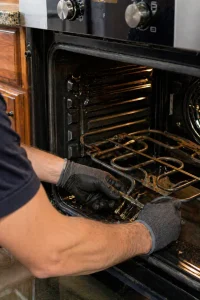
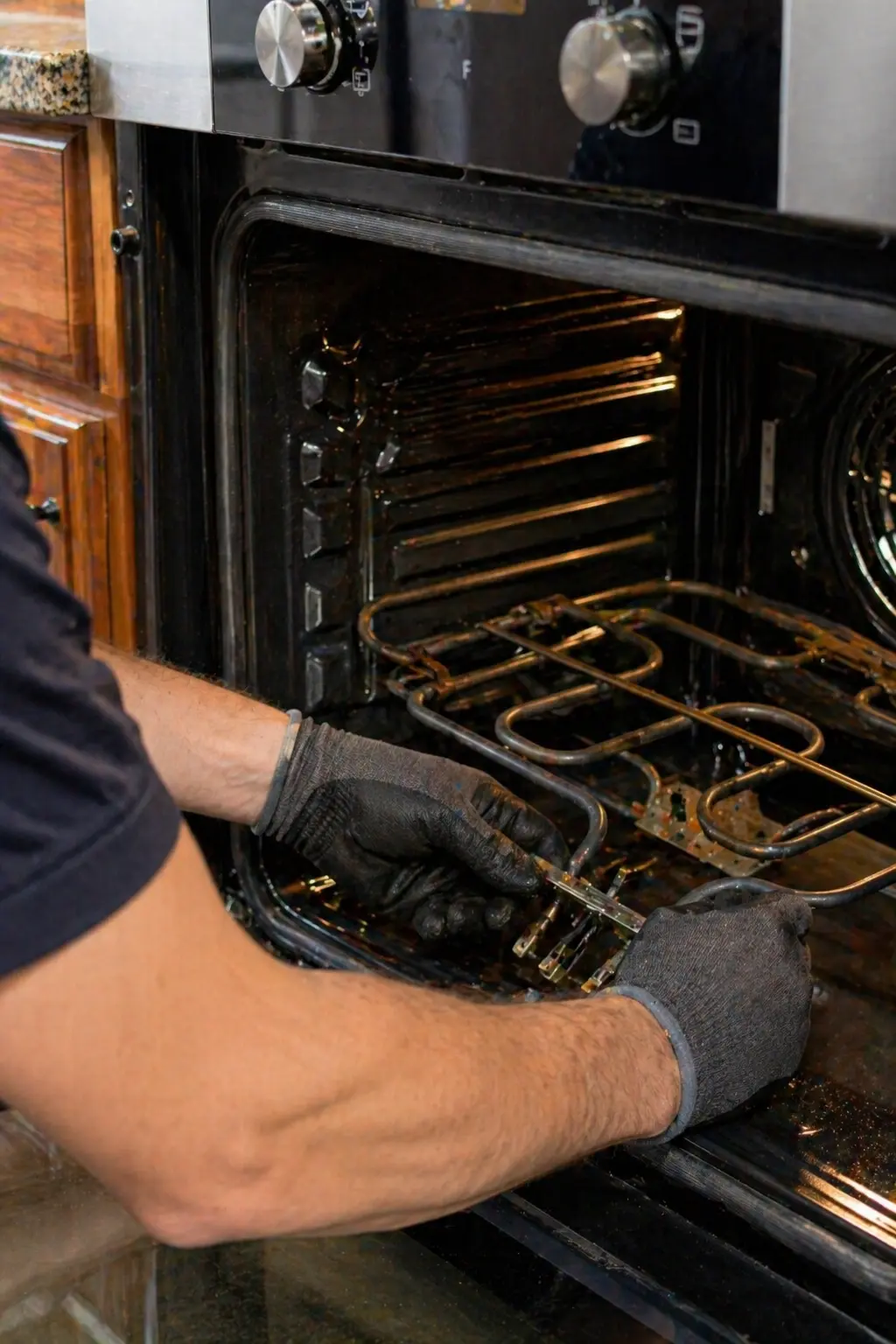
An oven that turns on but does not heat has a problem in the heating system, power or gas supply, temperature-sensing circuit, ignition system or controls. The correct diagnosis depends heavily on whether the oven is electric or gas and whether it produces no heat, heats slowly, heats unevenly or reaches temperature and then drops out.
For an electric oven, the bake element and its electrical circuit deserve early attention. For a gas oven, the igniter and gas safety system are central to the diagnosis. A temperature sensor or control fault can affect either type.
Quick answer: why is my oven not heating?
| Symptom | Likely diagnostic direction |
|---|---|
| Electric oven has no heat | Bake element, power supply, wiring, relay or control |
| Gas oven has no heat | Igniter, gas valve/ignition sequence, sensor or control |
| Oven heats but takes much longer | Weak heating component, sensor, power or ignition problem |
| Oven heats unevenly | Element, sensor, calibration, airflow or control |
| Breaker trips | Electrical fault should be investigated rather than repeatedly reset |
Electric and gas ovens do not fail the same way
An electric oven creates heat by sending electrical current through one or more heating elements. The control system switches those elements on and off to maintain temperature. A gas oven uses gas flow, an ignition device and a safety valve system to establish and maintain the burner flame.
That difference is important when troubleshooting. Seeing a control panel light up does not prove that the oven has the correct electrical supply for the heating circuit. Likewise, a gas oven can have normal controls and still fail to heat because the igniter cannot establish the required ignition sequence.
Common causes of an electric oven not heating
1. Failed bake element
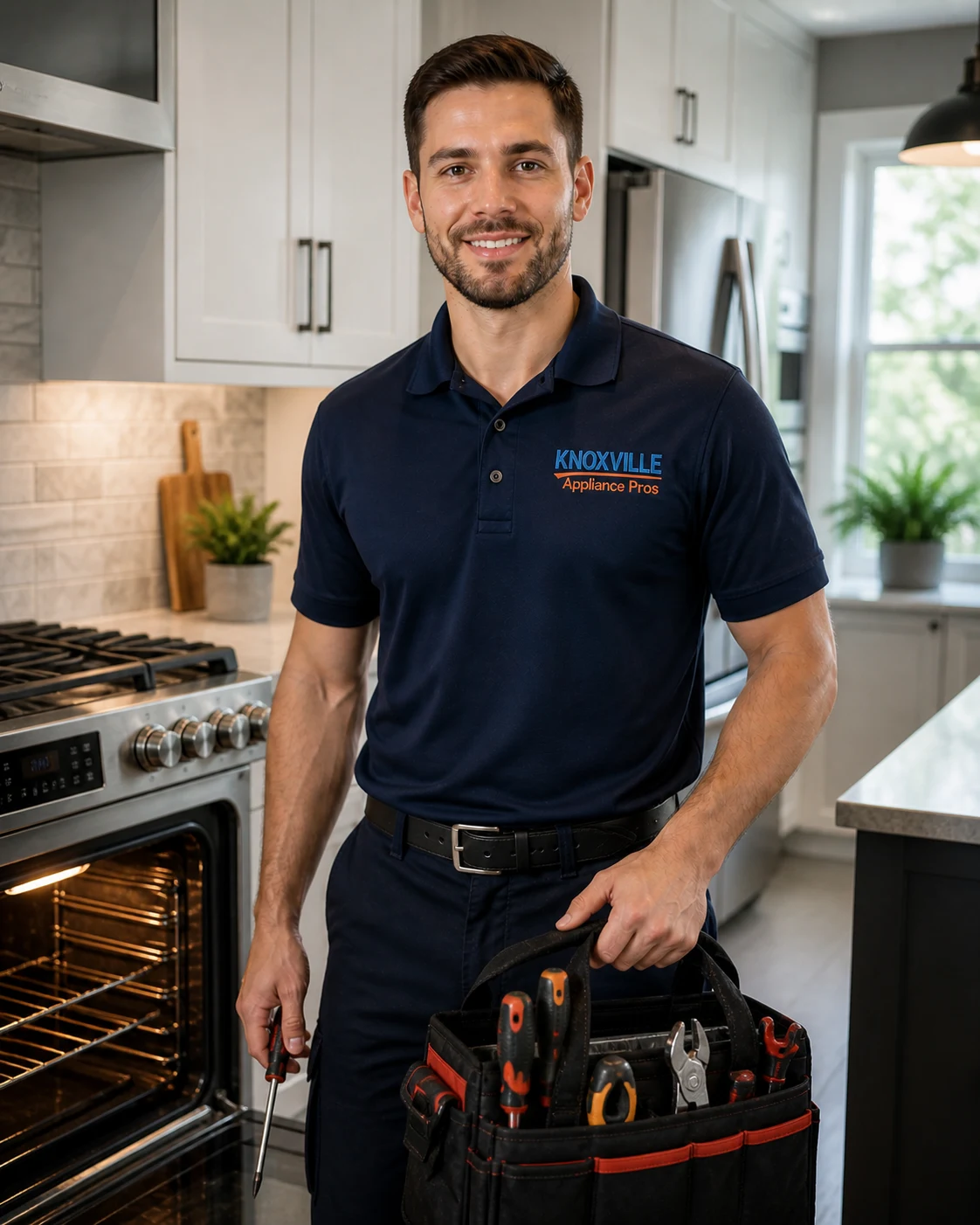
The bake element is one of the first components to consider on an electric oven that will not heat in Bake mode. A visibly broken, blistered or damaged element is a strong clue, but visual appearance alone does not prove the entire circuit is healthy.
The element must receive the correct electrical supply from the control system. If the element itself tests normally but never receives power when heat is commanded, the problem may be upstream in the wiring, relay or control board.
2. Tripped breaker or incomplete electrical supply
Electric ranges and ovens can require substantial electrical power. A breaker problem, loose connection or other supply fault can create unusual symptoms, including a control panel that appears normal while the heating circuit does not operate correctly.
If a breaker trips repeatedly, stop resetting it. Repeated trips can indicate a short, damaged component or wiring fault that needs qualified electrical diagnosis.
3. Temperature sensor problem
The oven temperature sensor reports temperature to the control system. If its resistance changes incorrectly, the control can misinterpret the actual oven temperature and cycle the heat incorrectly.
A sensor fault may present as long preheating, poor temperature accuracy, uneven cooking or an error code. Testing values vary by manufacturer and model, so a generic resistance number should not be treated as universal.
4. Control board, relay or wiring fault
Modern ovens rely on electronic controls and relays to switch heating components. A failed relay, burned connector or damaged wire can prevent an otherwise good element from heating.
This is a common reason not to order a replacement element solely because the oven is cold. The complete heating circuit has to be considered.
Common causes of a gas oven not heating
1. Weak or failed igniter
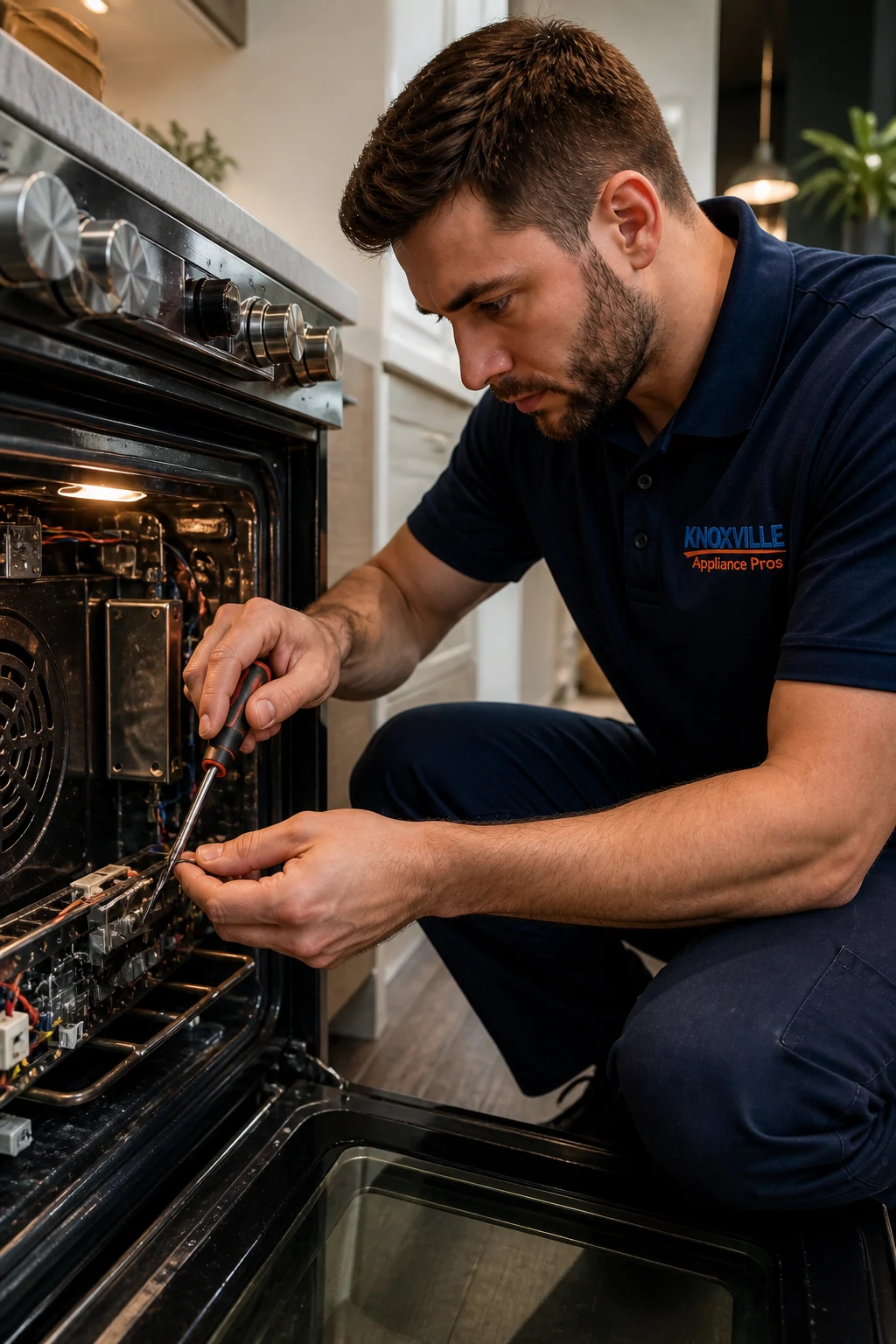
The igniter is a critical part of many gas oven ignition systems. It must reach the required operating condition so the gas safety system can open and the burner can ignite.
A gas oven may therefore show a control panel, timer and interior light that all work while the oven produces little or no heat. A weak igniter may glow but still fail to draw the current required by the ignition system.
2. Gas valve or ignition-system fault
If the ignition sequence is not completed correctly, the safety valve may not allow gas to flow to the burner. Other components can also interrupt ignition depending on the model.
Because this involves combustible gas and safety controls, internal gas-system diagnosis should be handled by a qualified appliance technician.
What you can safely check
- Confirm the mode. Make sure the oven is set to Bake or the intended cooking function.
- Confirm the temperature. Check that the control is actually set to the desired temperature.
- Allow a normal preheat period. Do not judge the oven after only a few seconds.
- Observe visible electric elements. A damaged or broken element is a useful clue. Never touch a powered or hot element.
- Check the breaker. If an electric oven has a tripped breaker, reset it once only. If it trips again, stop.
- Look for error codes. Record the exact code and consult the manufacturer’s manual.
- Stop if you smell gas, see arcing or smell burning insulation.
Slow preheating is different from no heat
An oven that eventually reaches temperature but takes much longer than it used to may have a different fault from an oven that never heats. A weak heating component, inaccurate temperature sensor, partial electrical problem or gas ignition issue can change heating performance without producing a complete no-heat condition.
Cooking results are also affected by calibration, door sealing, rack position and the actual temperature inside the cavity. If the oven’s displayed temperature and food results disagree, an oven thermometer can help establish whether the cavity is actually reaching the selected temperature.
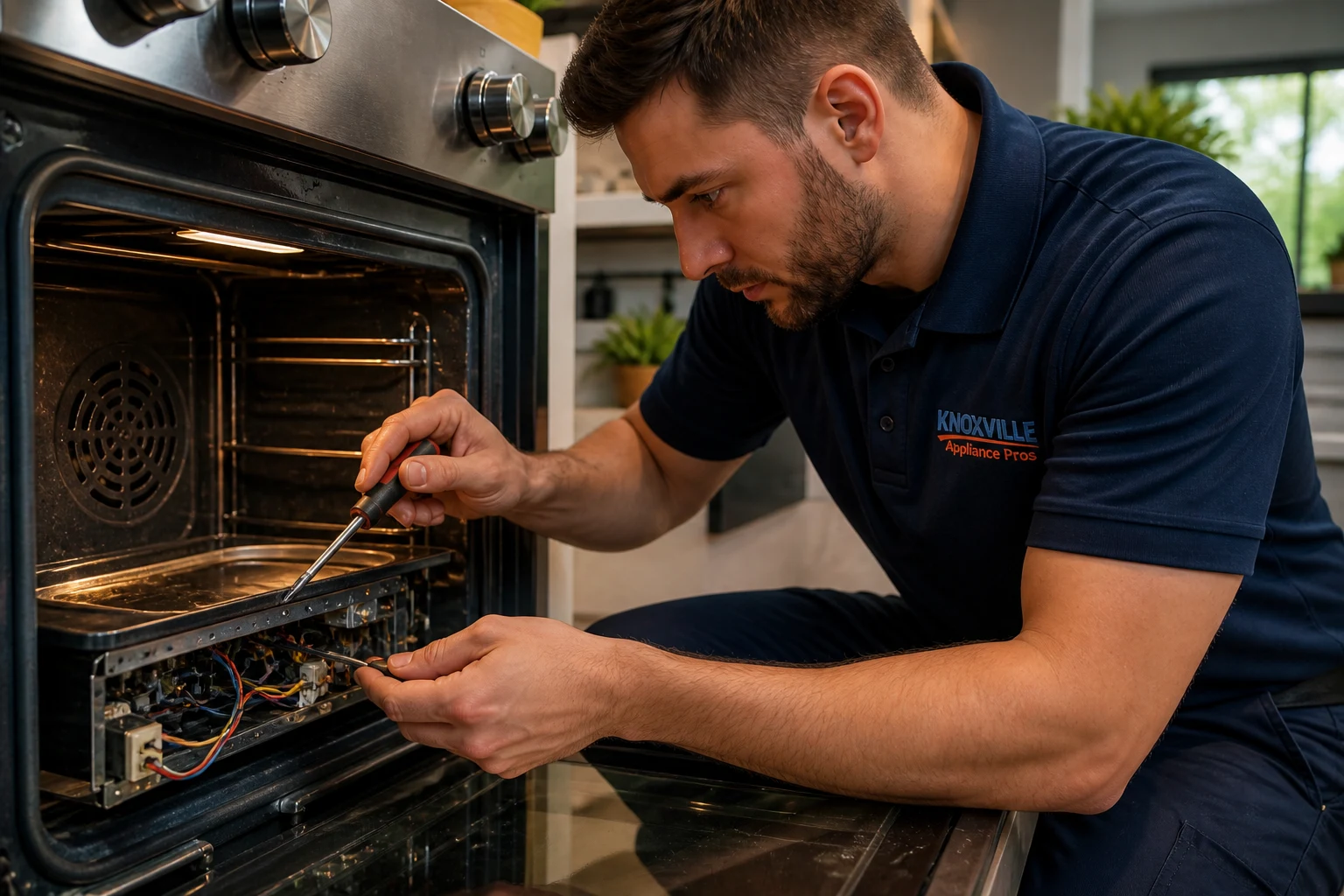
What not to do
- Do not test live electrical circuits unless you are qualified.
- Do not bypass gas safety devices.
- Do not repeatedly reset a breaker that trips.
- Do not remove an oven from cabinetry without understanding its electrical and mechanical connections.
- Do not assume a temperature-sensor fault proves the sensor is defective without testing.
Repair or replacement?
An oven with a failed element, igniter, sensor or another isolated component may be a straightforward repair. Replacement becomes more attractive when the appliance has multiple major faults, significant corrosion, damaged cabinetry interfaces, repeated repairs or an overall condition that makes continued repair difficult to justify.
Evaluate the complete repair picture rather than the cost of one part. Diagnosis, labor, parts availability, appliance age and condition all matter.
When professional oven repair makes sense
Professional service is appropriate when the basic settings and power checks are normal but the oven does not heat, when internal electrical testing is required, or whenever gas ignition components are involved.
Knoxville Appliance Pros provides oven, stove and range repair in Knoxville for heating, ignition, temperature and control problems.
If you are deciding whether a major appliance repair makes financial sense, our guide to repair versus replacement decisions explains the factors worth considering.
Frequently asked questions
Why is my oven on but not heating?
The control panel can operate normally even when the heating circuit has failed. Possible causes include an element, igniter, power supply, sensor, wiring or control fault.
What is the most common cause of an electric oven not heating?
A failed bake element is a common cause, but the element’s power supply and control circuit should also be considered before replacement.
What is the most common cause of a gas oven not heating?
A weak or failed igniter is an important possibility because it can prevent the gas safety system from opening and establishing the burner flame.
Can a bad temperature sensor stop an oven from heating?
Yes. Depending on the model, an incorrect sensor signal can prevent normal heating behavior or cause inaccurate temperature control.
Why does my oven heat unevenly?
Possible causes include a heating element problem, sensor issue, calibration problem, ignition problem, airflow condition or control fault.
Should I replace the heating element myself?
Some elements are accessible, but safe access and testing vary by model. The appliance should be isolated from power before any component work, and live electrical testing should be left to a qualified technician.
Bottom line
Separate electric and gas heating systems before deciding what has failed. Check the cooking mode, temperature setting and basic supply first. Then use the symptom pattern to determine whether the likely problem is an element, igniter, sensor, power circuit or control. When internal electrical or gas testing is required, a component-level diagnosis is safer and more accurate than replacing parts by guesswork.