The short answer
Bad tasting ice almost never means the ice maker is broken. Ice is plain frozen water, and it picks up flavors from three places: the water coming in, the filter it passes through, and the air inside your freezer. Old ice sitting in the bin absorbs odors from uncovered food. A water filter that is past its change date stops removing chlorine and minerals. Food spills and residue in the freezer add their own smell. Work through the checks below in order. Most homes fix this with a dumped bin, a cleaned freezer, and a fresh filter. If the taste stays after all three, the problem is deeper in the water path, and that is when to call for ice maker repair in Knoxville.
One more thing before you start. Taste a glass of water from the refrigerator dispenser, and taste a glass from the kitchen tap. If the tap water tastes fine and the fridge water tastes fine but the ice is off, the problem lives in the freezer or the bin. If the fridge water also tastes bad, look at the filter and the supply line. If even the tap water tastes off, the ice maker is only showing you a house water problem. That one test saves a lot of guessing.
Common causes and what each one looks like
| Cause | What you will notice | Safe check | DIY or call |
|---|---|---|---|
| Old ice sitting in the bin | Stale or cardboard taste, cubes look small or frosty | Dump all the ice and taste a fresh batch after a day | DIY |
| Water filter past its change date | Chemical or chlorine taste, slow water flow at the dispenser | Check the filter age and the filter light, replace if over 6 months old | DIY |
| Food odors in the freezer | Ice tastes like leftovers, onions, or fish | Look for uncovered food and spills, clean and seal food in containers | DIY |
| Dirty ice bin | Musty smell when you open the bin, film on the bin walls | Wash the bin with warm water and mild soap, dry it fully | DIY |
| Minerals or chlorine in the house water | Metallic or pool like taste in tap water too | Taste tap water in a clean glass and compare | DIY check, call if it persists |
| Mold or slime in the ice maker or water line | Musty or damp taste that comes back fast after cleaning | Look for visible growth around the ice maker and bin area | Call |
| New refrigerator or new filter | Plastic or chemical taste in the first days | Dump the first few batches of ice and flush the dispenser | DIY |
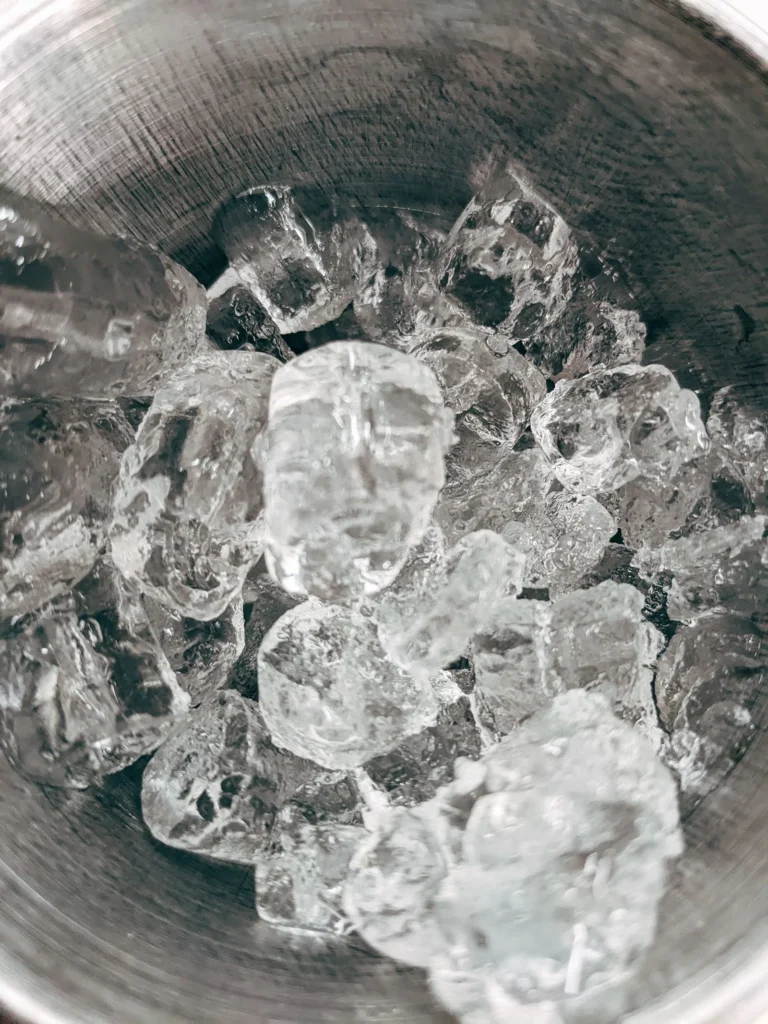
Notice the pattern in the table. The most common causes are all about age and cleanliness, not failed parts. Ice is porous. The longer it sits, the more freezer air it absorbs, and freezer air carries the smell of everything stored in there. Filters also fail slowly. They do not stop working all at once. They let more and more taste through until one day the ice tastes like a swimming pool. That slow change is why people often blame the machine. The machine is usually fine. Its supplies are not.
Step by step safe checks
Work through these in order. Each step rules out one layer of the problem, and each one is safe to do with no tools beyond a cloth, a bowl, and mild soap.
Check 1: Taste the water before you blame the ice
Fill a clean glass from the kitchen tap and taste it. Then fill one from the fridge dispenser if you have one. Then melt a few cubes in a clean glass and taste that water once it warms up a little. Three quick tastes tell you where the flavor starts. Tap bad, everything bad: the house water is the source. Tap fine, dispenser bad: the filter or the fridge water line is the source. Both fine, melted ice bad: the freezer, the bin, or the ice maker itself is the source. Write down which one it is, because it decides every step after this.
Check 2: Dump the whole bin and start fresh
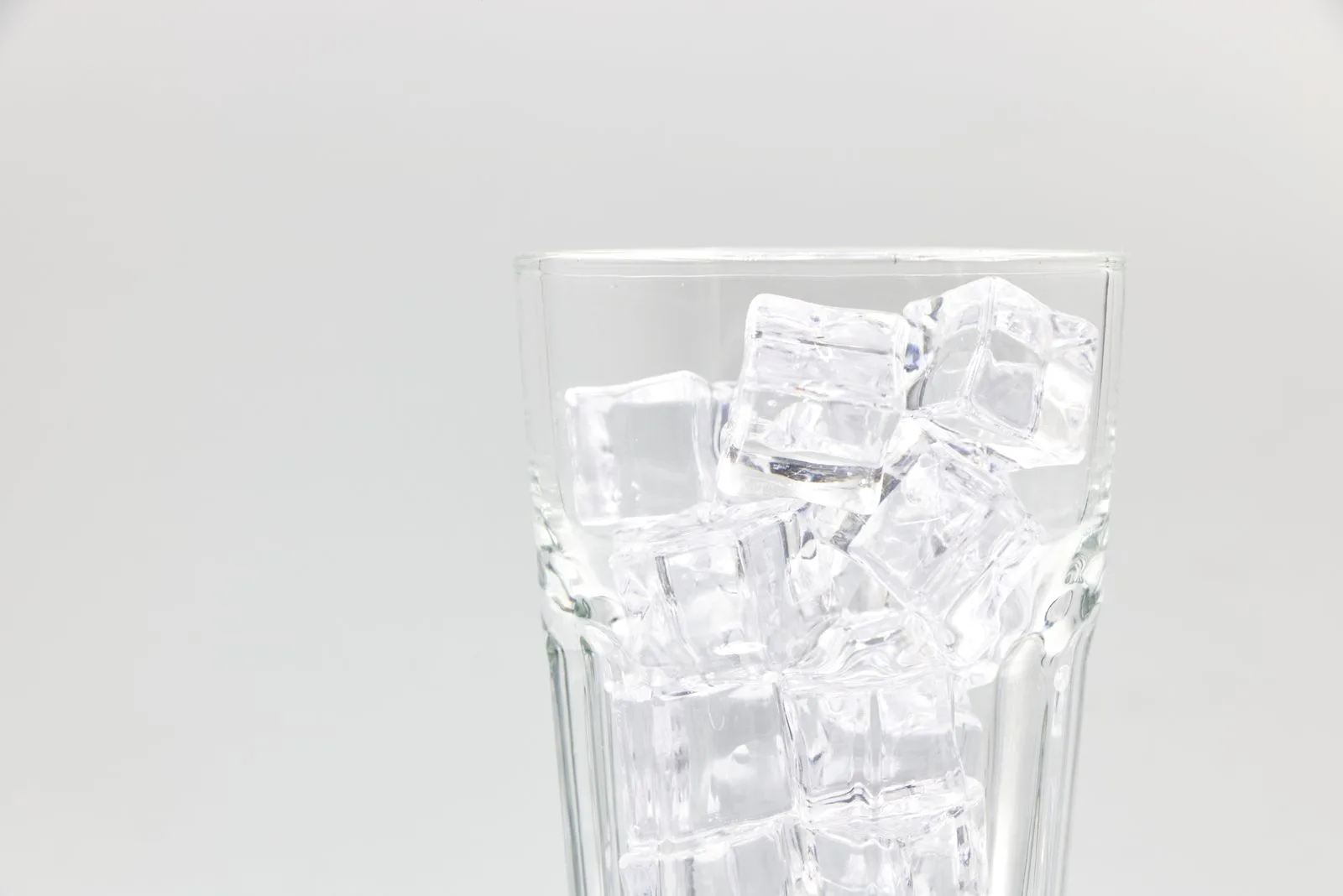
Take the bin out and throw away every cube, even the ones that look fine. Old ice at the bottom can be weeks or months old, and it flavors the fresh cubes resting on top of it. While the bin is out, look at the cubes you are dumping. Cubes that have shrunk, turned white and frosty, or clumped into one solid mass have been sitting a long time. That alone explains a stale taste. Let the ice maker refill the empty bin, then wait a full day before you judge the taste. Judging the first handful is unfair, because the first cubes freeze in a bin that still holds old odors.
Check 3: Wash the ice bin properly
Wash the empty bin in the sink with warm water and a small amount of mild dish soap. Use a soft cloth, not a scouring pad, because scratches in the plastic hold odors later. Rinse it well. Soap residue is itself a cause of funny tasting ice, so rinse until the water runs clear and the plastic has no slick feel. Dry the bin fully with a clean towel before it goes back. A wet bin refreezes with a film of freezer smell on it. Do not use bleach or strong cleaners inside the bin unless your manual allows it, and never use scented cleaners. The scent becomes the next flavor.
Check 4: Clean the freezer and deal with the food
Pull everything out of the freezer. Throw away anything expired, freezer burned, or in a torn package. Wipe up spills, especially under packages where liquid pools and freezes out of sight. Wash the walls and shelf surfaces with a mix of warm water and a spoon of baking soda, then dry them. Put food back in sealed containers or heavy freezer bags with the air pressed out. Uncovered food is the single biggest source of freezer odor transfer. Onions, garlic, fish, and strong leftovers should always be sealed tight. An open box of baking soda on a freezer shelf helps absorb odor between cleanings. Replace that box every month or so, because it stops working once it has absorbed all it can.
Check 5: Replace the water filter and flush the line
Most refrigerator filters are rated for about six months of use. If you cannot remember when yours went in, it is due. Find the filter, usually in the upper corner of the fridge section, in the base grille, or at the back wall. Follow the steps in your manual for your model, because the release style varies. After the new filter clicks in, run water through the dispenser into a large container. Manufacturers generally say to flush a few gallons through to clear air and loose carbon fines from the new cartridge. The first water may look cloudy or dark for a moment. That is normal and it clears. Then dump the first batch or two of ice from the new water, because the ice maker line needs the same flush. If your fridge has no filter, or the taste is strong even with a new one, an inline filter on the supply line may be worth discussing with a technician.
Check 6: Look at the ice maker and the fill area
With the bin out, look at the ice maker itself. You are checking for visible mold spots, slime, or a crust of mineral scale around the mold and the fill cup where water enters. Wipe reachable surfaces with a cloth dampened with warm water and a little baking soda. Do not pry at the ice maker, do not chip ice off it with a knife or screwdriver, and do not pour hot water over frozen parts. Sharp tools crack the mold coating, and cracked coating makes cubes stick and taste worse later. If you see growth inside parts you cannot reach, or the fill tube area looks scaled and blocked, stop here. That area needs to come apart, and that is a service job.
Check 7: Give it two days, then judge
After the dump, the clean, and the new filter, let the machine run for about two days of normal use. Taste the ice again on the third day. Most odor problems are gone by then. If the taste is better but not fully gone, one more freezer wipe down usually finishes it. If the taste is exactly the same as before, something in the water path is still adding flavor, and home cleaning has reached its limit. Keep a note of what the taste is like: chemical, metallic, musty, or like food. That description is genuinely useful to a technician, because each flavor points at a different part.
What a technician does
When cleaning and a filter do not fix the taste, a technician checks the parts of the water path you cannot see. That starts with the water supply line behind the refrigerator, which can hold old water, scale, or growth inside, and sometimes needs flushing or replacing. The technician also checks the water inlet valve, the fill tube, and the ice maker mold for scale buildup that traps flavors. On some models the reservoir or internal lines inside the door hold water for the dispenser, and that stored water can go stale or grow a film. The visit also covers the basics you may not be able to judge, like whether the freezer is holding the right temperature, because warm freezer air makes odor transfer worse. If your problem is wider than taste, like weak production or no ice at all, the same visit can cover it, and our refrigerator and freezer repair page explains how those checks fit together. We also keep a separate guide on an ice maker not making ice if production is part of the problem.
What it costs
Start with the good news. The fixes in this article cost almost nothing. A replacement water filter is a normal household purchase, and baking soda and dish soap are already in most kitchens. If you do need a technician, published national ranges put a diagnostic visit roughly in the $75 to $150 area, and common ice maker repairs often land somewhere in the $150 to $400 range depending on the part, with a full ice maker replacement toward the top of that range or above it on some models. Treat those numbers as a planning guide only. They are national published ranges, not a quote for your fridge. Your exact cost is confirmed after diagnosis, before any work begins, and you decide whether to go ahead. Our appliance repair cost guide for Knoxville shows the ranges we work from and how to weigh repair against replacement.
When to stop DIY and call
Call for help if any of these show up:
- The musty or moldy taste comes back within days of a full clean and a new filter.
- You can see mold or slime inside the ice maker or in the water line area and cannot reach it safely.
- The ice also tastes metallic and the tap water tastes fine, which points at the fridge water path.
- The ice maker is making less ice, odd shaped cubes, or no ice along with the bad taste.
- You see water leaking behind or under the refrigerator at any point. Turn off the water supply valve to the fridge and call.
- Anyone in the house has been unwell and you suspect the water or ice. Stop using the ice, use bagged ice, and get the system checked.
Stop right away and unplug the refrigerator if you see sparks, smell burning, or find water pooling near electrical parts. Those are not taste problems anymore.
Frequently asked questions
Is bad tasting ice a health risk?
Usually it is a taste and odor problem, not a danger. Old ice and a tired filter make ice unpleasant, not poisonous. The exception is visible mold or slime in the ice maker or bin, or a musty taste that returns fast. In that case stop eating the ice, clean what you can reach, and book a service visit so the water path can be checked properly.
How often should I dump the ice bin?
If you use ice every day, the bin turns over on its own and needs no schedule. If you use ice rarely, dump the bin about once a month. Ice that sits for weeks shrinks, clumps, and absorbs freezer odors. A quick rule: if you cannot remember when the cubes at the bottom were made, they are too old.
Does a new filter always fix the taste?
No. A filter fixes taste that comes from the incoming water. It does nothing for odors the ice picked up in the bin, or for growth inside the ice maker. That is why the order in this article matters: taste the water first, then decide if the filter is even part of your problem.
Why does my ice taste like garlic or onions?
Because it sat in the same air as garlic or onions. Ice absorbs freezer odors quickly, and strong foods give off odor even when frozen. Seal strong foods in airtight containers, clean up spills, and dump the batch of ice that shared the shelf. Fresh ice made after the cleanup should taste clean.
Why does ice from a new refrigerator taste like plastic?
New parts and new water lines can leave a mild plastic or chemical taste in the first batches. Manufacturers generally advise discarding the first few batches of ice and flushing a few gallons of water through the dispenser. If the taste is still strong after a week of normal use, call and have the supply line and filter setup checked.
Need a hand with your ice maker?
If you have dumped the bin, cleaned the freezer, and changed the filter and the ice still tastes wrong, the cause is inside the water path and it needs a proper look. Call Knoxville Appliance Pros at +1 865-290-1860, Monday to Saturday, 7:00 AM to 7:00 PM, closed Sunday. Tell us what the taste is like and what you have already tried, and we will take it from there.
Sources: manufacturer care guidance for refrigerator water filters and ice storage, FDA food safety guidance on ice as a food product, and national published appliance repair cost ranges. Costs are confirmed after diagnosis.